"I think it's madness. Magnificent madness, though."
★★★

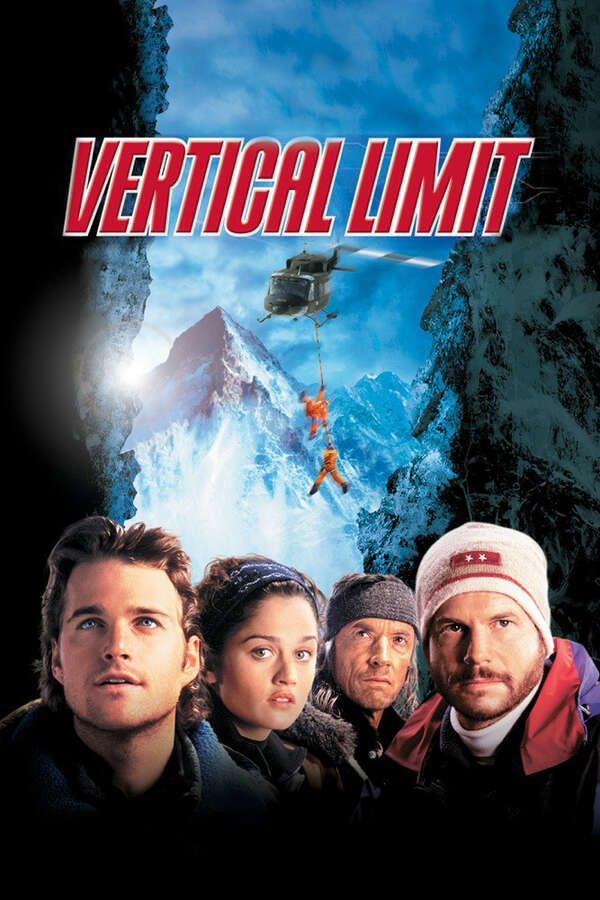
Trapped near the summit of K2, the world's second-highest mountain, Annie Garrett radios to base camp for help. Brother Peter hears Annie's message and assembles a team to save her and her group before they succumb to K2's unforgiving elements. But, as Annie lays injured in an icy cavern, the rescuers face several terrifying events that could end the rescue attempt -- and their lives.
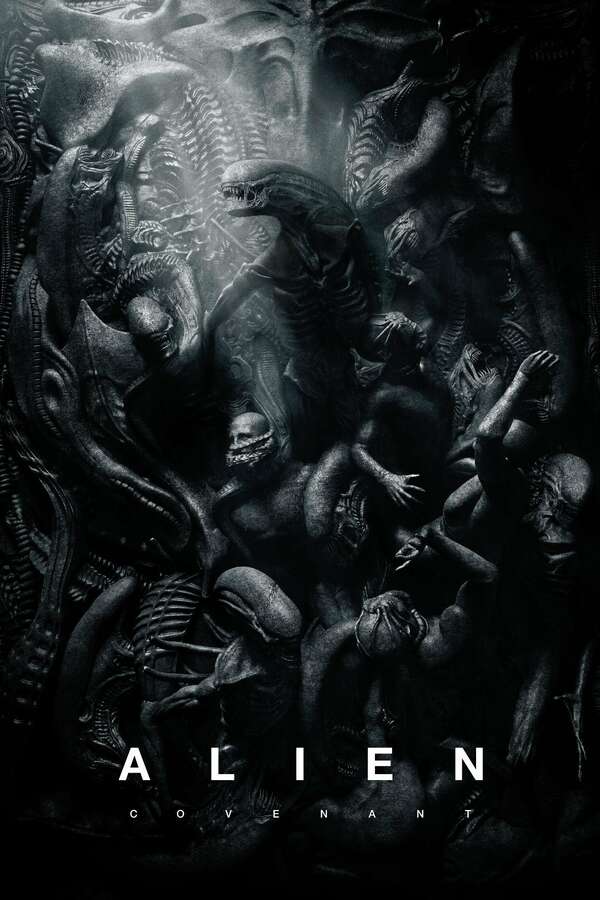
The crew of the colony ship Covenant, bound for a remote planet on the far side of the galaxy, discovers what they think is an uncharted paradise but is actually a dark, dangerous world.
I want a sci-fi film where a team lands on an alien forest world and, having established the air composition is safe, eschew their helmets only for most of them to immediately succumb to pollen-related anaphylaxis.
This would trigger a race against time to evacuate the survivors and the film would conclude with the doctor, when asked "what killed them" by the final girl, replying "Hayfever. Really bad hayfever.".
I guess it just goes to show what the average real-world person thinks about allergies…
★★★
During a manned mission to Mars, Astronaut Mark Watney is presumed dead after a fierce storm and left behind by his crew. But Watney has survived and finds himself stranded and alone on the hostile planet. With only meager supplies, he must draw upon his ingenuity, wit and spirit to subsist and find a way to signal to Earth that he is alive.
Following their explosive showdown, Godzilla and Kong must reunite against a colossal undiscovered threat hidden within our world, challenging their very existence – and our own.
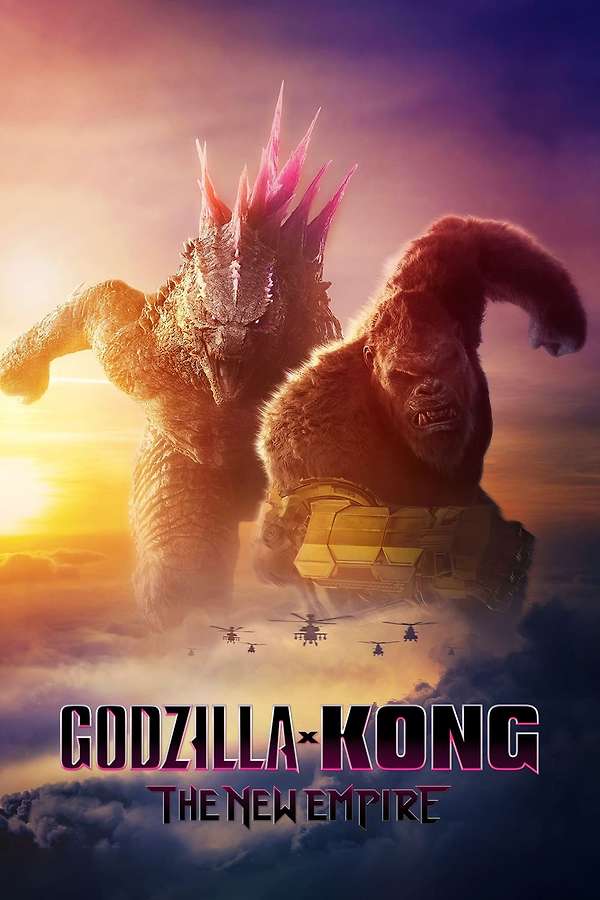
Having recently rewatched the preceding entries, I'd say it's one of the weaker entries but it still does what it does really well. The final showdown is very evocative of the OG, which I appreciated. But, yeah… bit long too.
★★★½
Scientists have discovered how to 'hop' human consciousness into lifelike robotic animals, allowing people to communicate with animals as animals. Animal lover Mabel seizes an opportunity to use the technology, uncovering mysteries within the animal world beyond anything she could have imagined.
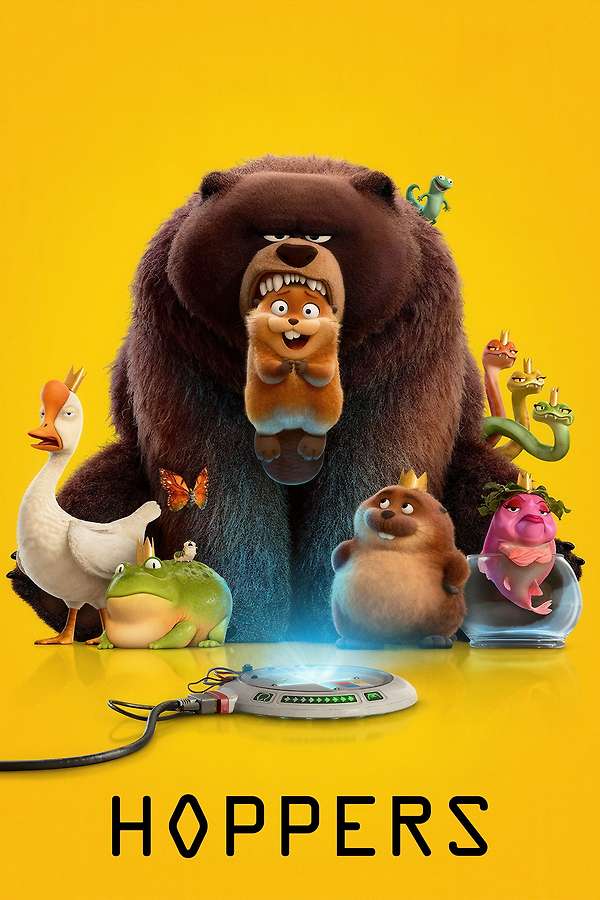
Some very good laughs and plenty of cooing over cute beavers but generally it didn't hold my attention.
★★★
Two highly trained operatives grow close from a distance after being sent to guard opposite sides of a mysterious gorge. When an evil below emerges, they must work together to survive what lies within.
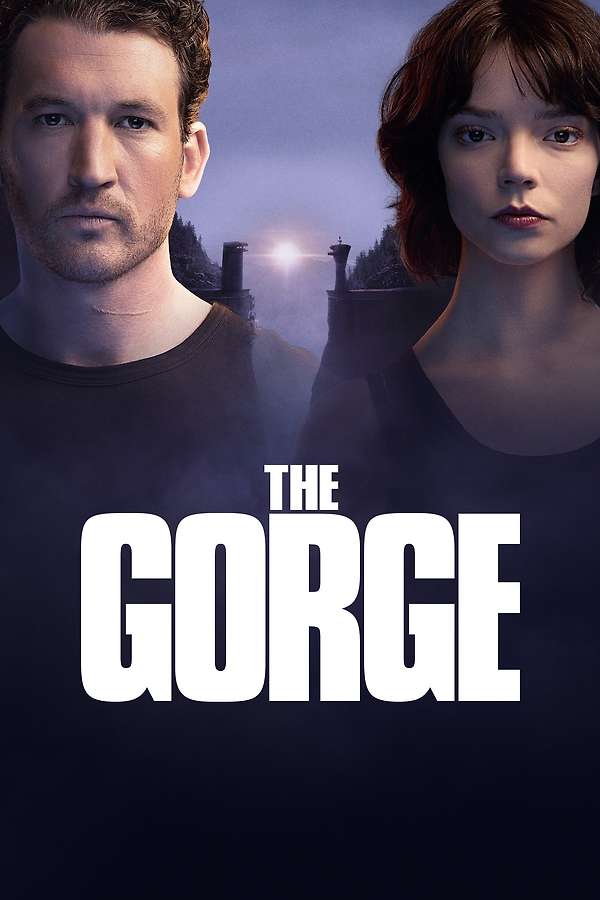
Actually a bit surprised this isn't based on a graphic novel. If it were, I'd be keen to check it out, cos I reckon it'd be a banger. Ticks all the boxes it's going for: hot leads, guns, explosions, eldritch horrors.
At this point I'd normally complain about the length but actually it was just about OK.
★★★½
After a mysterious cosmic event rips Oak Street from suburbia and transports their neighborhood to someplace unknown, the Platt family soon discovers that their very survival depends on them sticking together as they navigate their now unrecognizable surroundings.

My kids initially objected to seeing this on the basis that it would be "just like Jurassic Park". It's nothing like Jurassic Park.
People are going to call it "Spielbergian" and I get why but it's not really. It doesn't have the usual crowd pleasing "beats", there's no big set pieces and it's not centred on a male experience.
Swap the dinos for zombies and this is a straight-up survival horror.
★★★½
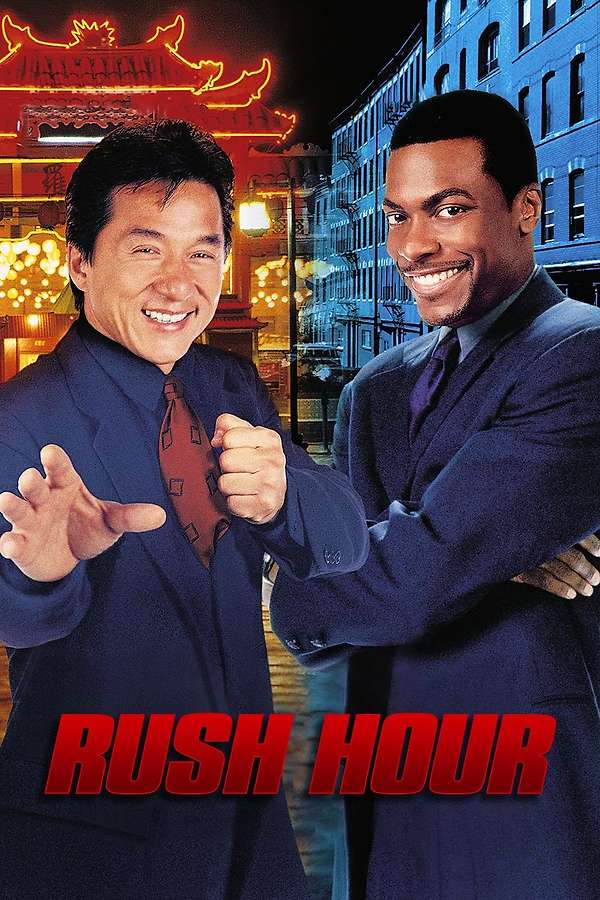
When Hong Kong Inspector Lee is summoned to Los Angeles to investigate a kidnapping, the FBI doesn't want any outside help and assigns cocky LAPD Detective James Carter to distract Lee from the case. Not content to watch the action from the sidelines, Lee and Carter form an unlikely partnership and investigate the case themselves.
Fighting crime full-time as Spider-Man in a world that doesn't remember him—and the pressure of seeing his old friends move on without him—sparks a change in Peter Parker he may not have the power to control. But that transformation might also be the only thing that can stop a shocking new threat to the city and those he loves - a powerful villain no one can even see.
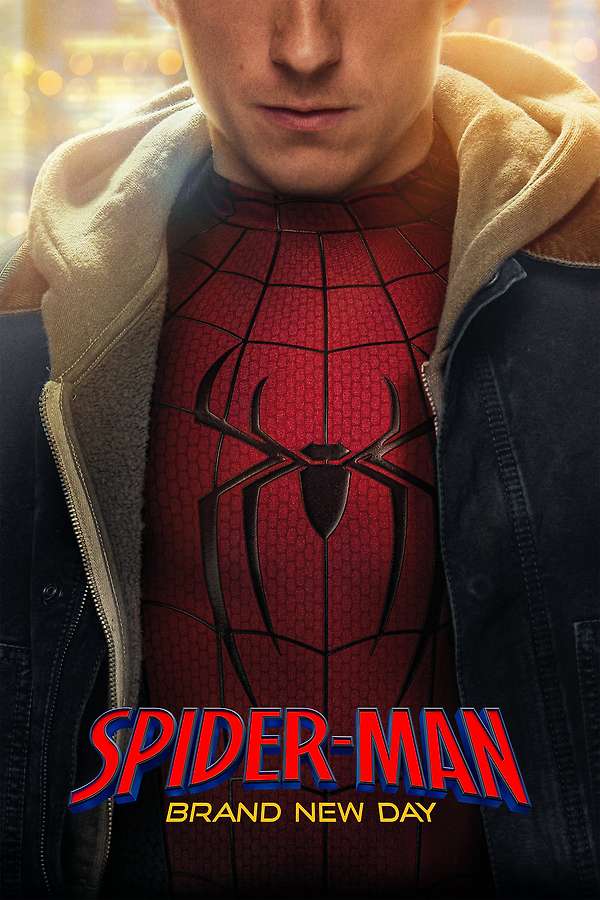
Somewhat eschewed the typical Marvel movie structure/arc, which was good but otherwise offers little that’s new or exciting. Pretty much the only thing that made me think “oh, that’s cool,” was Peter’s “Easter Eggy” t-shirt, which was very sharp. I’d buy that.
★★★½
In the aftermath of a massive earthquake in California, a rescue-chopper pilot makes a dangerous journey across the state in order to rescue his estranged daughter.
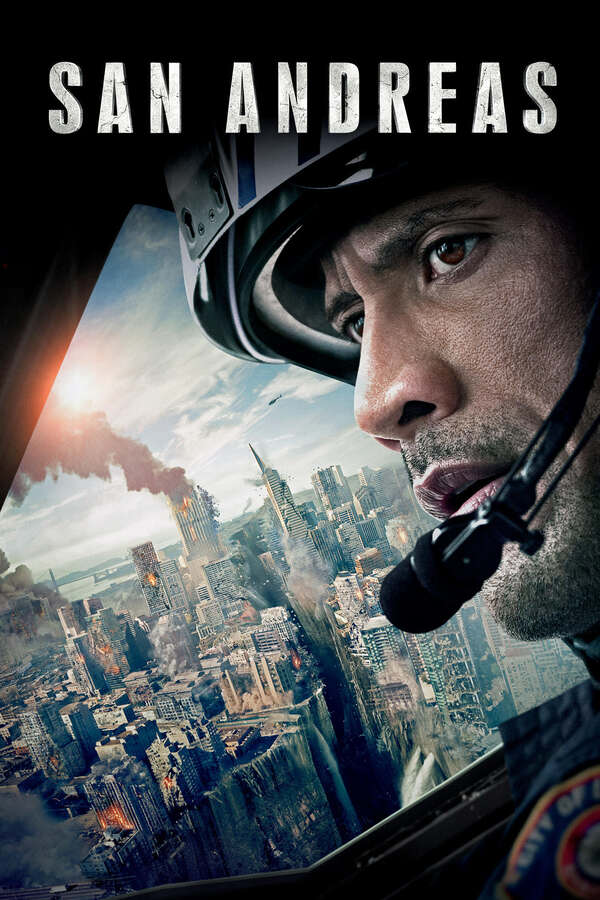
By the end of the opening rescue you know exactly what kind of movie you’re watching. And sometimes I want to watch that kind of movie!
Fun Fact: Carla Gugino (Mom) is 15 years older than Alex Daddario (Daughter)
★★★